
 EN
EN
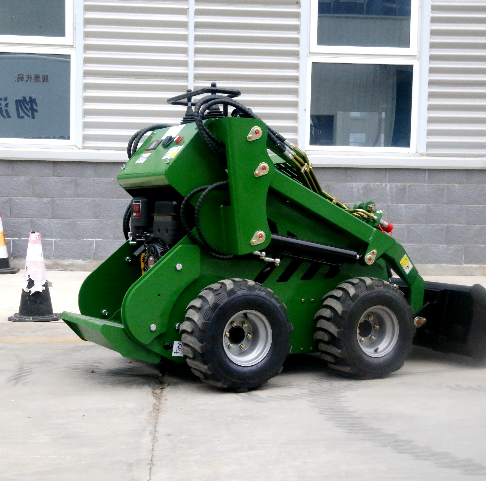
A mini skid loader often enters a crew's fleet as the first powered machine a new worker operates, which makes the learning question a real staffing decision rather than a spec sheet detail. Two-hand controls, a light footprint, and quick attachments turn a nervous hire into a useful hand within a shift. Most crews underestimate how fast a helper becomes productive, because the machine removes the intimidating parts of heavier equipment and leaves only the task in view. That payoff shows up fastest in landscaping and rental fleets where turnover stays constant through the season.
A Real Onboarding Case From a Landscaping Crew
Background and the Turnover Problem
The crew's first mini skid loader arrived at a three-person landscaping business that lost seasonal helpers every spring. Each departure restarted the training clock, so any machine that needed weeks to master threatened the whole schedule and the contracts riding on it. The owner had tried training newcomers on a ride-on unit the year before and lost three weeks of productivity to caution and correction.
The Solution — a Walk-Behind Compact Loader
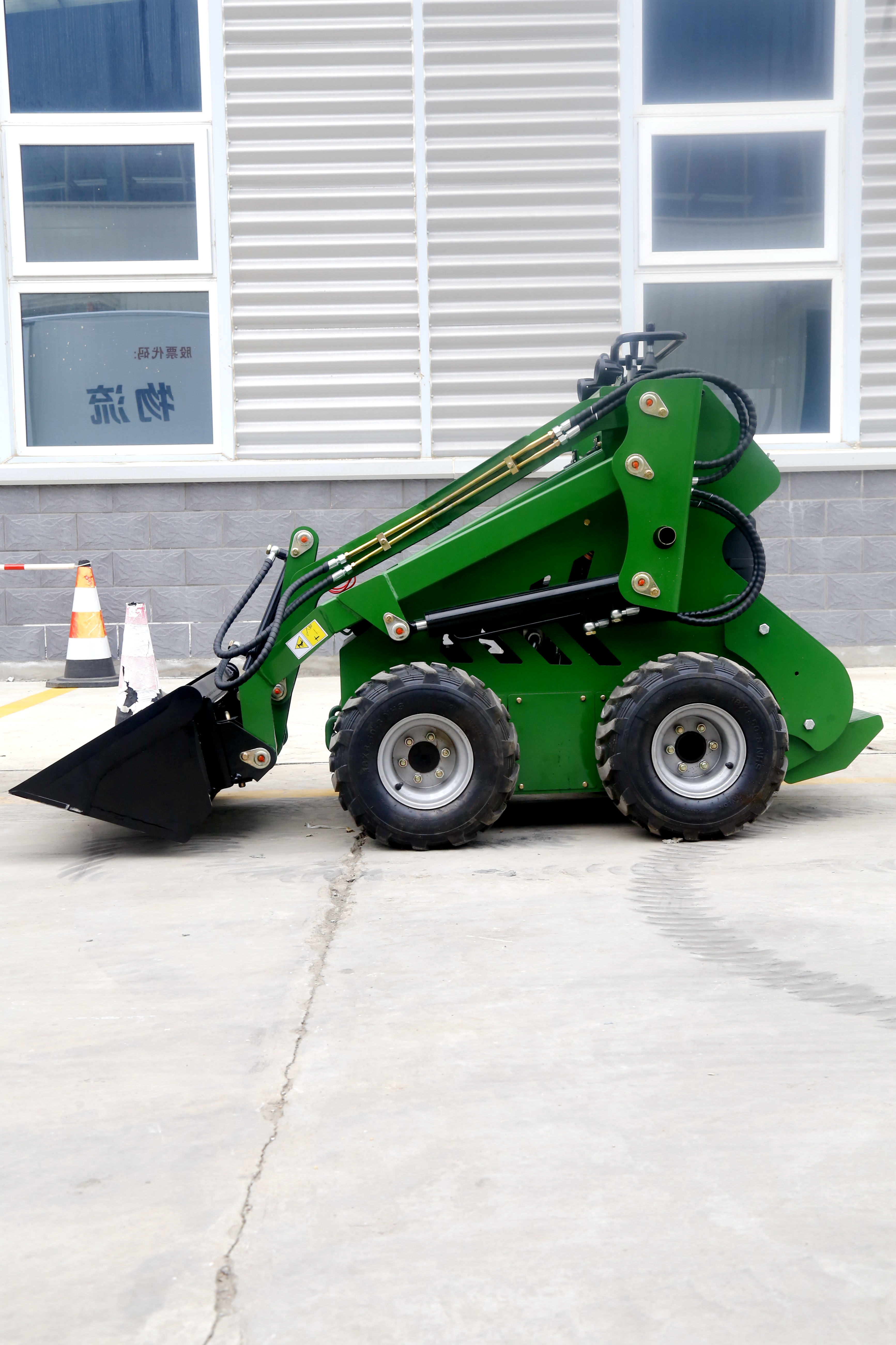
Switching to a walk-behind compact loader changed the dynamic. Two hand controls mapped directly to forward, reverse, and turn, so a helper could feel the response within minutes. Lightweight turf tires protected finished grass, letting the crew work closer to edges without damage or rework, and the smaller profile fit through gates that locked out the bigger machine.
The Effect — Productive in a Single Shift
Within one shift the new hire moved mulch, trenched for irrigation, and ran a brush cutter on the same machine. The supervisor reported near-independent work by day two, which stabilized the crew through the busy season and removed the bottleneck that had delayed every job. By the third week the helper was training the next arrival, which turned onboarding into a repeatable system instead of a yearly crisis.
Why the Learning Curve Stays Short
Two-Hand Control Logic
Both hands drive separate tracks or wheels through simple control levers, so steering becomes a push-pull motion the body learns without thinking. Reversing, lifting, and angling the attachment happen through the same grips, which keeps attention on the task instead of a dashboard of switches. The result is intuitive controls a newcomer trusts within minutes, and mistakes stay small because speed is naturally limited by how hard the operator pushes.
Low Ground Pressure and Predictable Movement
A mini skid loader keeps the operator on foot, teaching spatial awareness faster than a seated unit, while narrow footprints and wide, low-pressure tires spread weight so the machine floats over soft soil. Predictable tracking lets a new operator judge clearance and stopping distance quickly, lowering the fear that slows early learning on heavier equipment. The walk-behind stance also keeps the helper's eyes on the ground rather than on a cab display.
Quick-Coupling Attachments
A standardized plate lets one person swap augers, buckets, and blades without tools. Mastering the coupler once unlocks every task, so training compounds instead of restarting with each new implement. The same hydraulic circuit powers them all on a mini skid loader, which keeps the mental load low during the first weeks, and a single weekend of practice covers more ground than a month of passive watching.
Risk Controls and Operator Training
Stability and Tip-Over Zones
On a mini skid loader the load sits forward of the operator, so lifting high or turning on a side slope shifts the center of gravity toward the tip line. Keeping the arms low and moving across—not up—a grade keeps the machine inside its stable envelope; also keep the undercarriage clear of packed debris that could shift balance. New operators should practice the lift-and-carry path on flat ground before any slope work enters the day.
OSHA 1926, ANSI, and ISO 12100
OSHA 1926 covers safe use of construction equipment, ANSI guides control design and stability testing, and ISO 12100 frames the risk assessment behind the build, while CE marking shows the design passed conformity checks. A documented operator training session that covers startup, shutdown, load limits, and emergency stop satisfies the requirement and gives a new worker a repeatable routine. Supervisors who sign off per operator also create a record that protects the business during an audit.
What to Check Before a New Worker Operates
Match Rated Capacity to the Lightest Routine Task
Sizing the mini skid loader to the heaviest daily load—not the rare peak—keeps the operator inside the rated envelope. Oversizing adds weight and reach the helper does not need, which slows reaction rather than helping and raises the tip risk on unfamiliar ground. A modest machine that fits the common task lets a beginner build confidence before tackling the occasional heavy lift under supervision.
Inspect Controls, Hydraulics, and Undercarriage
Inspect controls on the mini skid loader from a standstill, listen for hesitation in the hydraulics, and confirm the emergency stop before anyone boards. A machine that responds cleanly builds the muscle memory a new worker relies on during a busy shift and prevents small faults from becoming incidents. A five-minute pre-shift check by the operator becomes a habit that outlasts any single job site or season.
Summary
A mini skid loader suits new workers because two-hand controls, low ground pressure, and quick attachments shorten the path from training to trust. Match rated capacity, verify hydraulics and the undercarriage, and train to OSHA 1926, ANSI, and ISO 12100 so the first machine becomes a confident daily tool.
Frequently Asked Questions
Question
Is this type of machine hard for a new hire to operate? A mini skid loader suits beginners because two-hand controls map directly to forward, reverse, and turn, so the body learns the motion within minutes. Walk-behind models keep the operator close to the work and the ground, which builds spatial awareness fast. Short, documented training under OSHA 1926 builds a safe routine before independent use on site.
Question
How long does it take a new worker to operate one safely? Most new workers reach basic independence within a single shift after a short briefing on startup, controls, and emergency stop. Confidence grows as they repeat the same two-hand pattern across tasks like trenching and hauling. Supervised practice on turf or soft ground, away from slopes, shortens the learning curve further and builds trust between the helper and the crew.
Question
What safety training applies to this machine? OSHA 1926 covers safe use of construction equipment, and ANSI guides control design and stability testing. Training should cover startup, shutdown, load limits, slope behavior, and emergency stop, with a recorded session for each operator. Repeating the routine on every machine keeps habits consistent across a changing crew and prevents avoidable incidents during the busy season.
Question
Which attachments help a new operator most? A bucket, auger, and brush cutter cover most entry tasks and share one quick-coupler, so learning the plate once unlocks every tool. Lightweight turf tires protect finished ground while the operator builds confidence. Starting with two or three familiar implements avoids overwhelming a helper during the first weeks on the crew and keeps the early work simple.
Question
Can this compact unit damage finished lawns? This compact unit with wide, low-pressure tires spreads weight to float over soft soil instead of rutting it. Keeping arms low and avoiding sharp turns on wet grass prevents most marks. Choosing the right tire for the surface protects the landscape the crew was hired to improve, which matters for client satisfaction and repeat business on a landscaping account.
Question
What should buyers check before purchase? Verify rated capacity against the heaviest daily load, test hydraulic response from a standstill, and confirm the emergency stop works. Ask for ISO 12100 and CE documentation, and review the control layout for intuitive two-hand operation. A documented training plan turns the purchase into a safe, productive onboarding tool for any new hire joining the crew.